.png)


Why a Sleep Study Is Essential for Diagnosing Obstructive Sleep Apnea
- May 27
- 2 min read

Sleep is supposed to be restorative, helping your body recharge and prepare for the day ahead. But for millions of people living with obstructive sleep apnea (OSA), restful sleep can feel impossible. Obstructive sleep apnea is a common sleep disorder that causes repeated pauses in breathing throughout the night due to airway blockage. Left untreated, it can lead to serious health complications and significantly impact quality of life. That’s why getting a sleep study is one of the most important steps in identifying and treating this condition.
What Is Obstructive Sleep Apnea?
Obstructive sleep apnea occurs when the muscles in the back of the throat relax too much during sleep, causing the airway to narrow or completely close. This interruption in airflow forces the brain to briefly wake the body so breathing can resume. These episodes can happen dozens—or even hundreds—of times per night, often without the person realizing it.
Common symptoms of OSA include:
Loud snoring
Gasping or choking during sleep
Excessive daytime fatigue
Morning headaches
Difficulty concentrating
Irritability or mood changes
Dry mouth upon waking
While these symptoms may seem manageable at first, untreated sleep apnea can contribute to much bigger health concerns.
The Health Risks of Untreated Sleep Apnea
A sleep study is critical because untreated obstructive sleep apnea is linked to a variety of serious medical conditions, including:
High blood pressure
Heart disease
Stroke
Type 2 diabetes
Depression and anxiety
Memory problems
Increased risk of car accidents due to daytime drowsiness
When your body is repeatedly deprived of oxygen during the night, it places stress on nearly every system in the body. Over time, this strain can take a major toll on your long-term health.
How a Sleep Study Works
A sleep study, also called a polysomnogram, is the gold standard for diagnosing obstructive sleep apnea. It monitors your body while you sleep, tracking important functions such as:
Breathing patterns
Oxygen levels
Heart rate
Brain activity
Body movements
Sleep stages
Sleep studies can be completed in a sleep lab or, in many cases, through a convenient at-home sleep test. Both options help healthcare providers determine whether sleep apnea is present and how severe it may be.
Why a Proper Diagnosis Matters
Many people dismiss symptoms like snoring or daytime fatigue as “normal,” but these can be signs of a serious sleep disorder. A sleep study provides concrete answers instead of guesswork.
With an accurate diagnosis, your provider can recommend the most effective treatment plan, which may include:
CPAP therapy
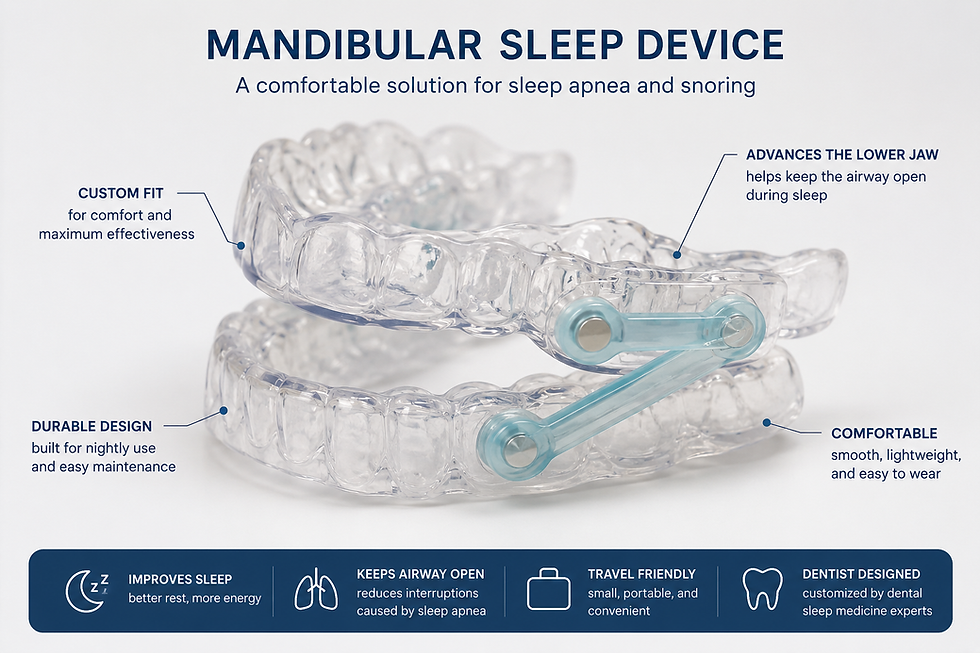
Oral appliance therapy
Lifestyle modifications
Weight management
Positional therapy
Surgical intervention in certain cases
Without a sleep study, treatment may be delayed, allowing symptoms and health risks to worsen.
Better Sleep, Better Health
Getting a sleep study isn’t just about finding out why you snore—it’s about protecting your health, improving your energy, and enhancing your overall quality of life. Many patients who finally undergo testing are surprised to learn just how much sleep apnea has been affecting their daily well-being.
If you or a loved one experiences symptoms of obstructive sleep apnea, don’t ignore the warning signs. A sleep study is a simple yet powerful step toward better sleep, better breathing, and better health.
Comments